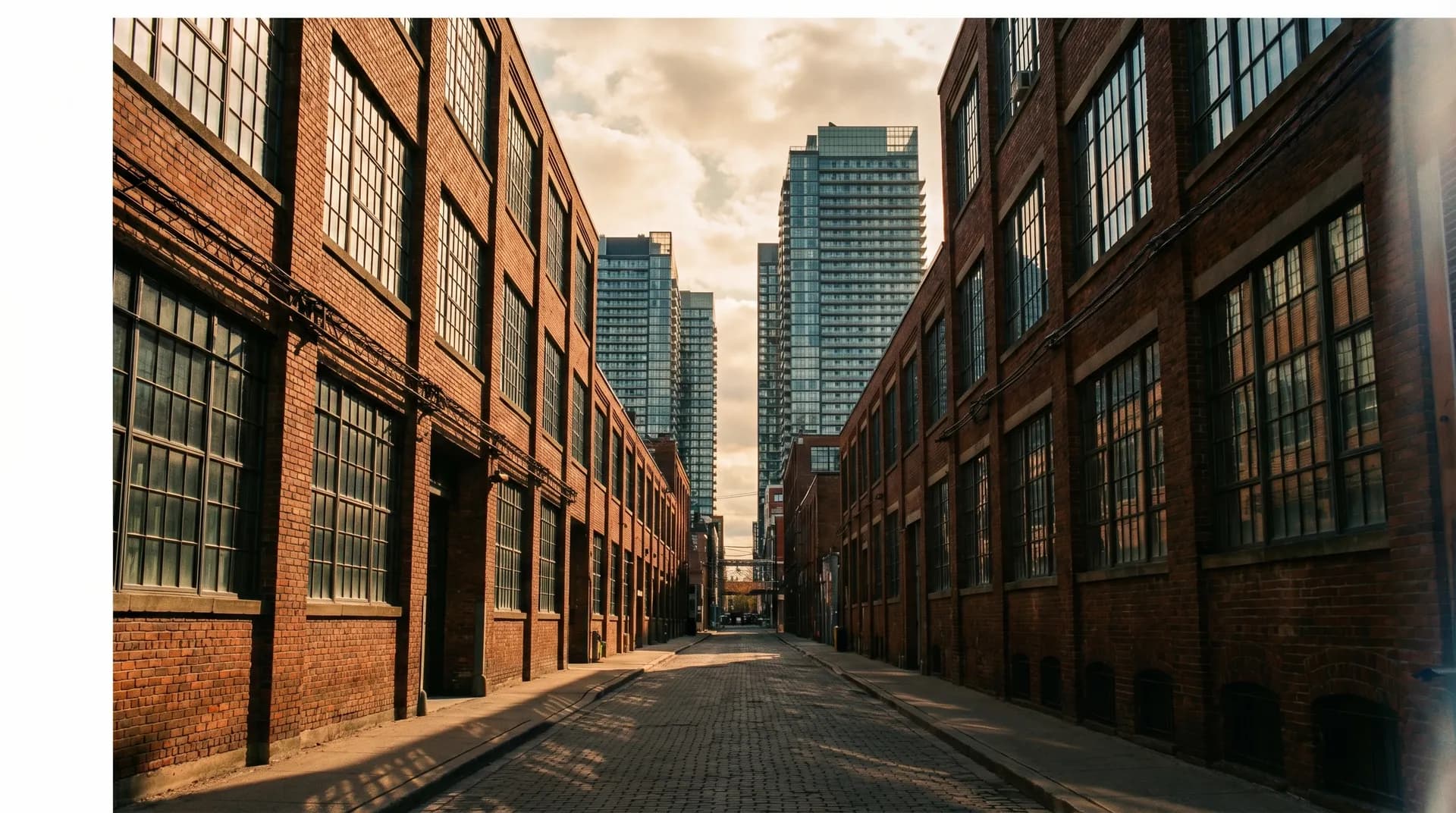
Underground parking feels safe. It's not. Here's what six months of concrete dust, brake fallout, and ramp scuff actually do to a luxury car in downtown Toronto — and the fix.
Most downtown Toronto condo owners think underground parking protects their car. It does — from weather. What it does not protect against is everything else, and the damage stacks up quietly over years. Here's what your garage is actually doing to your paint, your wheels, and your trim while you sleep.
Concrete dust is a full-time contaminant
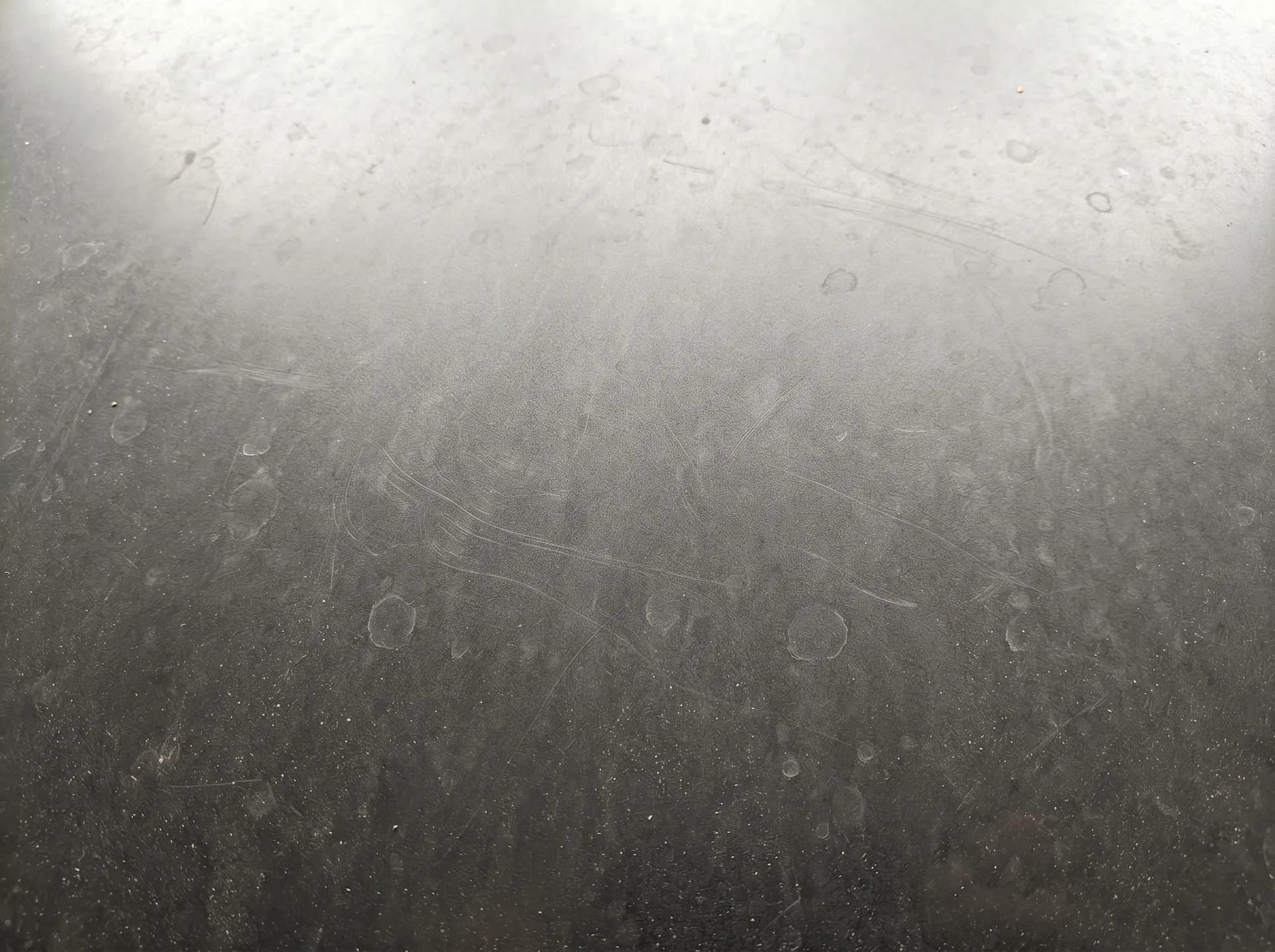
Every underground garage is a dust factory. Concrete floors shed abrasive particles constantly, ventilation circulates them, and every car that drives past yours kicks up more. That dust settles on your hood and roof every night. It's not dirt in the casual sense — it's microscopic abrasive particles that bond to clear coat if left alone.
If you wipe it off with a towel (or the drive-thru does), you're rubbing fine sand across your paint. That's how swirl marks start on a car that never leaves the garage. A downtown car with 2,000 km on it can have more paint defects than a suburban car with 50,000 km, purely because of how it was cleaned between drives.
Brake dust from other people's cars
Every time a car brakes in your garage, it releases iron particles from the pad compounds. Those particles settle on nearby cars — including yours. Iron bonds chemically to paint and wheels, creating the orange-brown specks you see on white cars. Regular washing removes surface dirt but not bonded iron. Only an iron remover (like Iron X) dissolves the bond and lifts the particles off.
Left untreated, iron deposits slowly etch into clear coat and create permanent rust spots on painted wheels. Five years of bonded iron can ruin a set of wheels that would have lasted 20 years with regular decontamination.
Ramp scrape: the silent panel killer
Most downtown condo ramps were designed for sedans in the 1980s. Modern cars with sport bumpers, lowered ride heights, or extended front lips do not clear them cleanly. Even a five-degree approach at normal speed can scrape a front lip or splitter. We see new clients with otherwise pristine cars sporting rocker-panel or front-lip damage they swore was not there last week — it was, they just never saw it in garage lighting.
The fix: photograph your approach angle in daylight and adjust your entry line, install rocker-panel PPF on any vehicle with a low approach, and use the parking assist camera obsessively if your car has one. A one-hour PPF install on rocker panels and lower front bumper is the cheapest insurance against a five-year accumulation of paint rash.
Drip contamination on older buildings
Heritage conversion buildings in Liberty Village, St. Lawrence, and parts of the Financial District often have exposed sprinkler lines, HVAC condensation drips, and the occasional ceiling leak. Drip water carries rust, mineral deposits, and cleaning chemicals from the building systems onto whatever is parked beneath. We regularly see permanent water spots on hoods of cars that never drove in rain — the spots came from their own garage ceiling.
If your car sits under anything that could drip, ask building management about it, or at minimum rotate your parking spot seasonally. A ceramic coating makes drip contamination much easier to clean before it etches, but the best answer is to not park under the drip source.
Valet and building hand-wash vendors
Most condo buildings have a 'car wash guy' who walks around with a bucket and hand-washes cars for $40. The problem is the bucket — it picks up garage dust, mixes it with soap, and distributes it across every car he washes that day. Buildings with aggressive hand-wash vendors are where we see the worst swirl marks on otherwise low-mileage cars. If you tip the guy, you're tipping him to put fine-grit abrasives on your paint.
The right maintenance plan for an underground-parked car
- One professional decontamination detail every 3 months (iron remover, tar remover, clay bar, single-stage polish).
- A ceramic coating applied to properly corrected paint — it prevents most dust and iron from bonding in the first place.
- Rocker-panel and lower-door PPF if your car has low approach clearance.
- No building hand-wash vendors. Ever.
- Weekly visual check in natural light — drive the car out of the garage once a week and inspect the hood and roof in daylight before anything bonds.
The condo-parked car plan
Our Express and Signature memberships are built around the specific needs of underground-parked downtown cars. Decontamination washes, iron removal, and concierge pickup so you never have to drive out of the garage to get the work done.
The condo-parked car plan detailsThe bottom line
Underground parking is the right choice for a downtown Toronto car — but it is not a no-maintenance environment. The contamination is different from outdoor storage, the damage patterns are different, and the cleaning schedule has to be different. The owners whose cars still look new at year five are the ones who treat their condo garage as its own service environment, not as a protective bubble.
Get the next guide first
Honest detailing tips, occasional package offers, no spam. Unsubscribe in one click.